The Box by the Boiler: What a Decade of Lost Property Says About Us
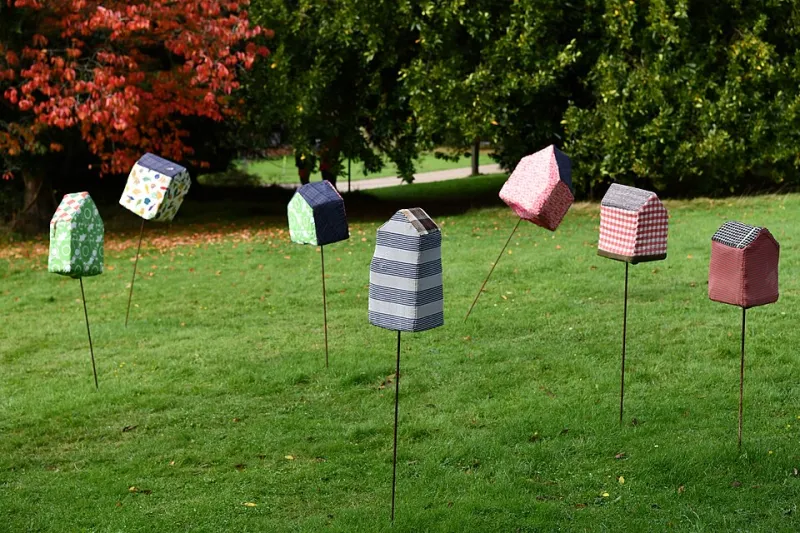
Photo: Michael Garlick , CC BY-SA 2.0, via Wikimedia Commons
Every village hall has a box by the boiler. Ours is a clear plastic crate with a lid that no longer quite clips shut, and it has been sitting in the same spot for so long that nobody can remember who first put it there. It is labelled, in fading marker, LOST PROPERTY. Underneath, in smaller letters, someone has added PLEASE ASK. That second line tells you almost everything about how the box works.
In 2026, the box is more than a receptacle for mislaid mittens. It is a decade-long record of the things we bring to community life and then put down somewhere while we get on with the business of talking, eating, rehearsing, folding chairs or waiting for the kettle. It is an accidental archive, maintained by nobody in particular and consulted by everybody at some point.
The box that became a filing cabinet
The hall committee will tell you the box is emptied twice a year. What actually happens is that it is sorted twice a year, which is not the same thing. Items are taken out, examined, held up to the light, discussed, and then — in most cases — returned with a sigh. The single gloves stay. The odd socks stay. The reading glasses go into a small sandwich bag because someone pointed out that loose spectacles in a plastic crate felt disrespectful.
The contents read like a list of small domestic dramas. There is a child's red welly, size infant five, with a faded dinosaur on the side. There is a tea towel printed for a royal wedding that nobody will admit to owning. There is a plastic tub with THE REV written on the lid in marker, which caused a brief and entirely unnecessary scandal at the autumn quiz. There is a dog lead with no dog, a folding umbrella with a broken spoke, and a pair of gardening gloves so stiff with dried mud they could stand up on their own.
Now and then, something genuinely useful appears. A purse with no money but a library card inside. A hearing aid in a little case, which was reunited within an hour and caused the caretaker to sit down with a cup of tea and say, 'Well, that's the Lord's work done for today.'
A glove is never just a glove
The trouble with lost property is that it is never only about the object. A single glove is a small grief. It means someone left the hall with one hand warm and one hand cold, and probably didn't notice until the bus stop. A child's sock means someone drove home with a bare foot in a car seat and a vague sense that something was missing. Reading glasses mean someone spent the following week squinting at the parish magazine and blaming the printer.
The box holds these small losses without judgement. It does not ask why you brought a Tupperware container to a meeting where no food was served. It does not wonder why you needed three pairs of gloves in October. It simply keeps them, in the way that a village keeps most things: without a system, but with a stubborn belief that someone will come back.
That belief is tested. The box contains a scarf that has been there since 2019. Nobody knows whose it is. It has been worn by at least two people who were cold at a Christmas fair and promised to return it. It has become, in its own way, communal property. If it disappears now, there will be questions.
The etiquette of asking
The unspoken rule is that you do not rummage. Rummering is for jumble sales and seed swaps. The lost property box is an ask-first arrangement. You find the caretaker, or the person with the key, and you say something like, 'I don't suppose there's a—' and they nod before you finish, because they have heard it all before.
There is a particular dance to reclaiming something. You describe it. They look in the box. They hold up something adjacent. You say, 'No, it's more of a navy.' They say, 'This is navy.' You say, 'It's got a hole in the thumb.' They say, 'They've all got holes in the thumb.' Eventually, the item is found, or it isn't, and either way you both pretend it was a reasonable use of five minutes.
The etiquette extends to not claiming what isn't yours. Once, a man tried to take home a pair of secateurs that had been in the box for three years. He said they were his. Someone else said they were definitely her late husband's. The secateurs went back in the box and stayed there for another year, which felt like the correct outcome for everyone involved.
What we keep by keeping it
There is a quiet kindness in a lost property box. It is not efficient. It is not organised. It is not the sort of thing that would survive a council audit. But it says something worth saying: that we expect people to come back. That we do not throw away the small things just because they are inconvenient. That a village hall is not a venue but a place where your glove can wait for you.
In 2026, when so much of life is designed to be frictionless, the box is gloriously frictionful. It requires a conversation. It requires someone to remember where the key is. It requires you to admit you left something behind, which is a small admission of imperfection. And it requires the rest of us to keep a lid on a crate that no longer clips shut, because that is what community looks like when it is not being photographed.
The box will be sorted again in the spring. The single gloves will go to the textile bin. The reading glasses will be donated. The scarf will stay, because nobody can agree on what to do with it. And somewhere in the pile, a child's red welly will still be waiting for a foot that has probably grown out of it by now.
We keep it anyway. That is the point.