Jars, Judgement and Jam-Packed Village Halls: The Chutney Rivalries Defining Autumn 2026
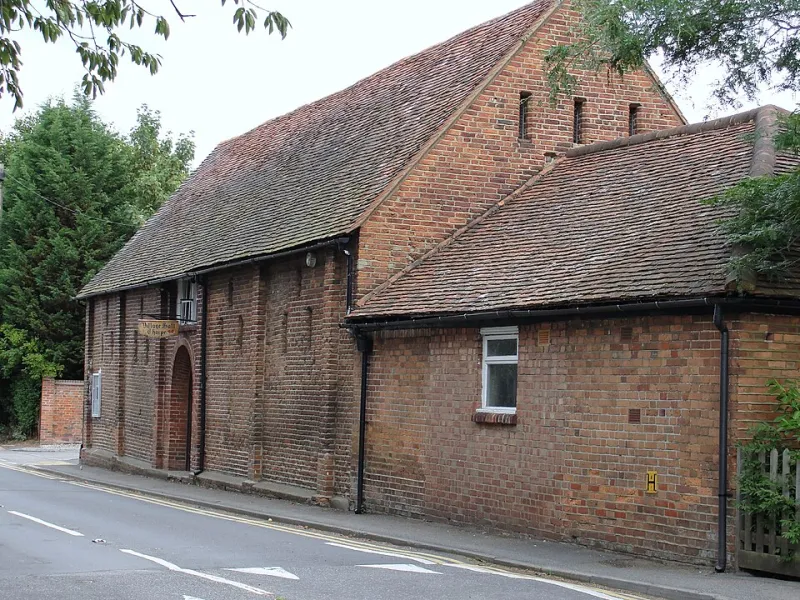
Photo: Maxwell Hamilton, CC BY-SA 3.0, via Wikimedia Commons
The tea urn is on. The raffle tickets are in a margarine tub. And somewhere near the back, a woman from the next village is pretending not to inspect a jar of damson chutney like it is a rival’s homework.
Welcome to the 2026 community chutney championships: less a competition, more a seasonal soap opera with tasting spoons. All over the UK, from parish halls to scout huts, autumn brings a quiet but fiercely felt ritual. Tables are wiped, entries are numbered, and grown adults debate the difference between a chutney that is ‘pleasantly sharp’ and one that is ‘a bit forward’.
I spent a grey Saturday in October 2026 doing the rounds of a few village hall produce shows. I came for the jars. I stayed for the gossip.
The rules are simple. The feelings are not.
On paper, it is straightforward. You make a chutney. You put it in a clean jar. You stick on a label with your entry number and class. You hand it over to a volunteer with a clipboard and try not to look too keen.
In practice, the chutney tent is a web of etiquette. There are classes for orchard fruit, allotment gluts, ‘anything goes’ and the increasingly competitive rookie category. There is a label competition, which some entrants treat as the main event. And there is Best in Show, which is less a rosette and more a year-long bragging right.
‘We had forty-two entries this year,’ says Margaret Ellery, who has helped run her village produce show for nineteen years. ‘That is up on last year. I think people are making more because everything is so expensive. A jar of chutney is a way of making the garden last.’
Margaret has a score sheet in one hand and a tea in the other. She is diplomatic about the rivalry between her village and the next one along. ‘We do not encourage grudges,’ she says. ‘But we do notice who wins.’
A jar is a biography
If you want to know a place, skip the heritage plaque and head for the preserves table. A jar of green tomato chutney tells you someone had a cold summer and a generous allotment. A dark, glossy apple and ale chutney suggests a kitchen where nothing is wasted and the slow cooker has seen things. A jar with a hand-drawn label and a list of ingredients in tiny biro says: this person cares, and possibly owns a laminator.
‘My grandmother’s trick was a spoon of black treacle,’ says Derek, a retired joiner who enters the same class every year and has never won. ‘It gives it a bit of depth. She would not tell anyone else. I only tell you because you are not entering.’
He pauses. ‘You are not entering, are you?’
I assure him I am not. He relaxes.
Secret ingredients are the currency of the chutney circuit. Smoked garlic. Star anise. A splash of stout. Windfall pears. A spoon of marmalade that somebody’s aunt brought back from a holiday. Judges hear the same rumours every year: that the winner used cider vinegar, that the runner-up used too much sugar, that one entry was suspiciously smooth.
‘A good chutney should taste like a hedge you can eat,’ one judge tells me, with the confidence of a person who has said this before. ‘But not a hedge that has been left in the rain.’
The judging table
The judging is done in public, which is either brave or foolhardy depending on your view of human nature. Judges arrive with bread, cheese and a glass of water. They spoon, sniff, chew and scribble. They do not swallow much. They do swallow some.
Scoring usually covers appearance, aroma, texture, taste and that elusive category known as ‘commercial appeal’ or, in one schedule I saw, ‘Would I buy this?’
‘You can tell a lot from a jar before you open it,’ says Priya, a local chef who judged her first show in 2024 and has been hooked since. ‘The fill line. The seal. Whether the label is straight. But the real test is whether it makes you want another mouthful. A chutney should not be a punishment.’
She has one rule for entrants: do not argue with the judge. ‘You can argue with your neighbour. You can argue with the parish council. But when the score sheet is done, it is done.’
Why a jar beats a guidebook
A guidebook will tell you that a town has a market square, a church and a decent car park. A chutney tells you who grows what, who fell out with whom over a marrow, and which hedge is worth scrumping. It tells you that the woman in the post office makes a ferocious chilli jam and that the vicar is surprisingly good at labels.
It also tells you that people still gather. Not for a big event, not for a sponsor’s logo, but because the hall is there and the kettle works. In 2026, that feels worth noting.
‘It is not really about the chutney,’ Margaret says, as the raffle is drawn and somebody wins a hamper of donated jam. ‘It is about seeing everyone. It is about the hall being full.’
How to enter in 2026 without causing a scene
If you fancy a jar of your own on a trestle table next autumn, here is the unofficial field guide.
Read the schedule properly. Classes have rules. A ‘fruit chutney’ is not the same as a ‘mixed vegetable chutney’, and a judge will know.
Label your jar clearly. Fancy labels are fine. Fancy labels that fall off in transit are not.
Do not overthink the name. ‘Autumn Glut No. 2’ has won before. ‘Grandma’s Revenge’ has also won before.
Take a spare jar for the raffle. It is the unspoken entry fee.
And when the results are read out, clap for the winner. Even if it is the woman from the next village. Especially if it is the woman from the next village.
The teapot is still warm. The jars are packed away. The rivalry will keep until spring, when the plant sale gives everyone something new to be civil about.