Cork, String and Small Print: Reading the Village Noticeboard in 2026
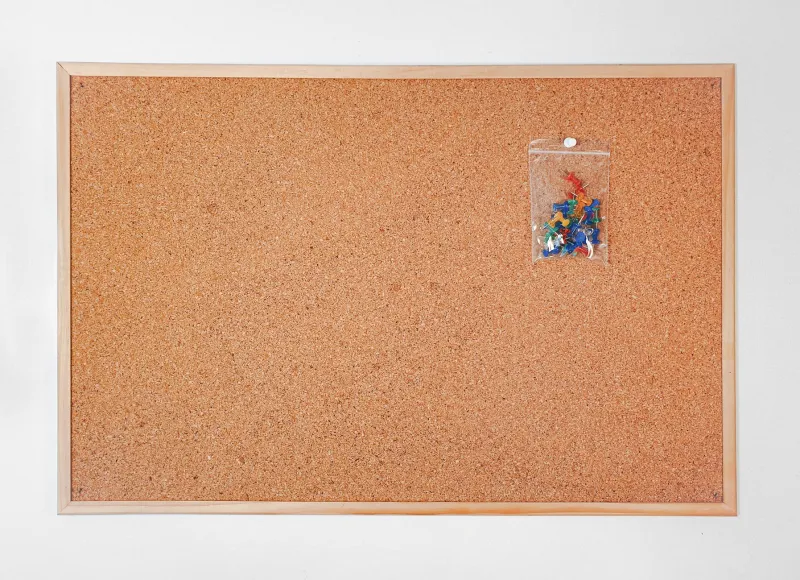
On a damp Tuesday in a village hall porch in the Welsh Borders, I found the week's most reliable news pinned between a fire safety certificate and a poster for a mobile fish van. Someone had lost a tabby called Dennis. Someone else had found a pair of spectacles. A third notice, handwritten in biro, thanked whoever had returned a missing teapot to the kitchen. No algorithm had promoted any of it. No one had paid for reach. It was simply there, held up by a drawing pin and a bit of string, doing the quiet work of telling a place about itself.
That is the strange power of the community noticeboard in 2026. We are told we live in an age of instant local updates, yet the cork board in the library, the corner shop or the church hall often feels more truthful than the group chat. It is slower, yes. It is also unpolished, specific and stubbornly physical. You cannot doomscroll a pinboard. You can only stand in front of it, read the edges, and work out what kind of place you are standing in.
Start with the lost cat, stay for the small print
A good noticeboard is read in layers. The top layer is usually urgent: missing pets, cancelled buses, a request for a lift to hospital, a plea for volunteers to help stack chairs after the autumn fair. These are the headlines. They tell you what has gone wrong this week and who is trying to fix it.
The middle layer is the local economy of small things. Chair yoga on Thursdays. A beginners' patchwork class. Guitar lessons for the over-sixties. A tabletop sale in aid of the air ambulance. Someone offering garden clearances, another offering homemade marmalade. In a library in West Yorkshire, I saw a notice for a bereavement coffee morning pinned next to an advert for a disco hen do. Neither looked out of place. That is the noticeboard's genius: it does not decide what matters before you do.
The bottom layer, often curling at the corners, is where the folklore lives. Parish council minutes with a single line underlined twice. A typed update on the footpath closure that has been going on so long the paper has gone the colour of weak tea. A handwritten thank-you from a family after a funeral, because the hall committee put out the good cups. These are the bits that make a community feel less like a service and more like a conversation.
The corner-shop noticeboard is a different beast
Not all pinboards are equal. The village hall board is civic and slightly self-conscious. The library board is curated, often with a laminated sign about not covering other people's notices. The corner-shop board is pure improvisation. In a Norfolk shop, I once saw a card advertising eggs, a poster for a missing parrot, a reminder about the parish litter pick and a torn strip of paper offering 'willing hands for odd jobs, no questions asked'. It was the most complete portrait of a neighbourhood I read all month.
That is the thing about these boards. They are not trying to be a brand. They are not optimised. They are the physical equivalent of a village text message, passed from hand to hand and pinned up because someone thought it might be useful. The handwriting alone tells a story: the careful block capitals of the parish clerk, the looping biro of the cake stall organiser, the wobbly felt-tip of a child advertising a teddy bear. You do not get that on a social media post with a location tag.
Why the pinboard still beats the feed
Social media is excellent at spreading information quickly. It is less good at telling you what is happening three streets away. A local Facebook group can be useful, but it can also be noisy, tribal and oddly forgetful. The noticeboard is the opposite. It is geographically stubborn. It only exists where people walk past it. It asks you to leave the house.
There is also something honest about the effort involved. To pin up a notice, someone has to write it, print it, find a spare bit of cork, borrow a drawing pin and hope the wind does not take it. That friction filters out some of the rubbish. It also makes the remaining notices feel like small acts of trust. The board is not a broadcast. It is a hand extended towards whoever happens to be passing.
A field guide for the curious
If you want to read your local noticeboard properly, start at the edges. The corners are where the oldest and most human notices survive. Look for the handwritten additions: a phone number changed in biro, a tear-off tab with one last strip left, a note saying 'venue changed' in different handwriting. Check the dates. A board that has not been cleared since spring will tell you something about the hall committee's energy levels, or perhaps its need for new volunteers.
Then ask yourself what is missing. Is there anything for teenagers? Anything free? Anything in a language other than English? A noticeboard is never neutral. It shows who has the time, confidence and paper to announce themselves. The best boards are the ones that make room for the messy, the small and the slightly odd.
The archive we walk past
In 2026, we talk a lot about local identity being eroded by online life. The noticeboard is a quiet rebuttal. It is an archive of ordinary things, updated weekly with no fanfare. It records the lost and the found, the classes and the clear-outs, the thanks and the requests. It is not polished, and it is not comprehensive. But it is often more honest than the polished version of a place we see online.
So next time you are in a village hall, a library or a corner shop, give the board a minute. Read the lost cat. Read the yoga class. Read the handwritten thank-you for the teapot. You will learn something about the place you are standing in, and probably something about the people who keep it going.