Cribbage, Dominoes and a Bag of Cheese & Onion: Inside the Back Room Renaissance
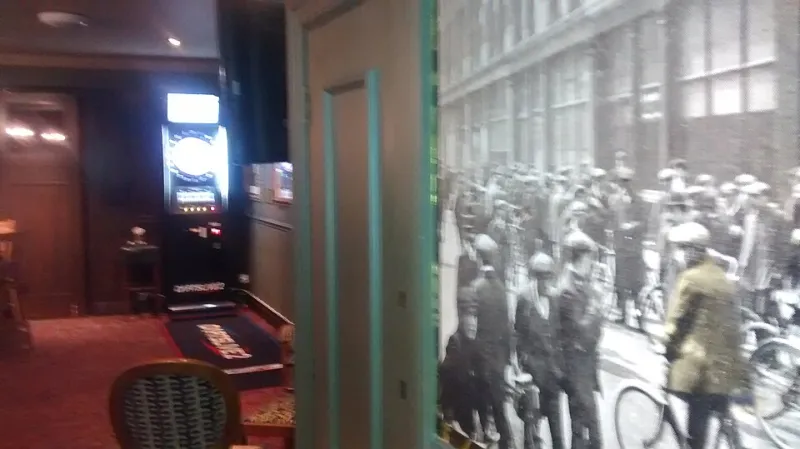
Photo: Fabian Tompsett (WMUK), CC BY-SA 4.0, via Wikimedia Commons
There is a particular smell to a good pub back room. Slightly damp carpet, lemon cleaner, old wood, and the ghost of a thousand bags of crisps. It is the smell of a room that has never been redesigned by anyone, ever, and that is precisely the point.
Something is happening in these rooms. Not a revival, exactly — they never quite closed — but a quiet refilling. The tables are booked again. The boards are up. There is a league table on the wall in biro, and someone has already queried the arithmetic.
Monday: cribbage, and the tyranny of the pegs
The board is a 1970s specimen with a missing peg replaced by a matchstick, which the regulars refer to as 'the substitute' and treat with elaborate ceremony. Four tables, eight players, a pound in the pot and a small piece of local immortality at stake.
Cribbage is the most sociable game ever invented for two people, because the scoring is a conversation. Fifteen-two, fifteen-four, and a pair for six — said aloud, every time, like a prayer or a complaint. Newcomers are taught in about eleven minutes and then lose badly for six weeks, which is traditional.
Wednesday: the domino school
Dominoes in a back room is not the same game as dominoes at a kitchen table with children. It is faster, quieter and considerably more ruthless. The etiquette is where the folklore lives: don't announce a domino you can't play, don't hide the double-six, and don't, under any circumstances, ask what the score is if you haven't been keeping it yourself.
Landlords will tell you the Wednesday domino table is their most reliable booking of the week. It starts at eight. It finishes at half ten. Nobody spends much, and nobody leaves early.
Thursday: darts, and the art of the team name
Darts brings its own ecosystem: chalk, a bracket drawn on the back of a beer mat, and a team name that usually needs explaining. The board hangs slightly too close to the fruit machine, so there is a house rule about elbows.
What surprises the uninitiated is how forgiving the standard is. The bottom of a pub darts league is a genuine place of welcome. You can be terrible and still turn up every week, and that is the entire offer.
What keeps a back room alive
The landlord. Obviously. It costs money to keep a room that sells two pints an hour, and it takes a certain sort of publican to see the value in that.
'It's the cheapest thing I do all week,' one told me, 'and the only bit that comes back round.'
What it costs a player is the real story, though. A pint, a packet of crisps, a pound in the pot: under a tenner for an entire evening of company, competition and being known. Compare that to almost anything else on offer in 2026.
The house rules, as observed
- The score is chalked, not texted.
- New players get one bad night without commentary.
- No phones on the table, and no filming anyone's throw.
- Losing gracefully gets remembered longer than winning.
- The person who owns the board decides the rules, however wrong they are.
Why it works now
Because it asks nothing. There is no feed, no streak to maintain, no group chat to keep up with. You turn up, you play, you are teased gently for a badly timed double, and you go home knowing three more people than you did in September.
That is what a back room is for. It is a low door, a low light, and a very low bar for entry — and in a year that has been loud and expensive and largely conducted through glass, that is not nostalgia. It is just good company, at a sensible price.
Tell us about your local back room. We are collecting the rule books, the team names and the arguments.